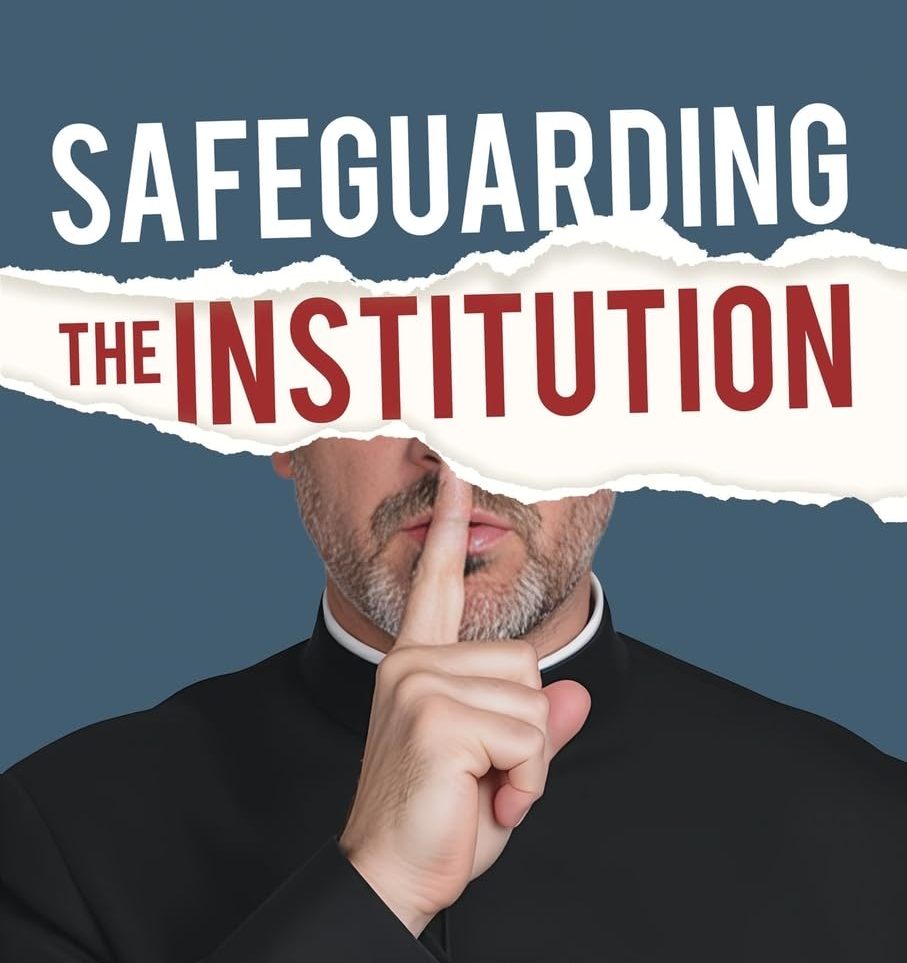
Front Cover of book by Stephen Kuhrt
IN THIS ARTICLE
- Three Articles. One Question
- Two Documents
- The Subjects Change Too
- What a Protocol Cannot Do
- The Timeframe of Protocols and the Timeframe of Case Files
- The Contrast
- Two Timelines That Should Move Together
Happy reading. — The Jacques Pintor Editorial Team
Join our WhatsApp Channel to receive new articles in multiple languages.
In early April 2026, Vatican News published its report on the Spring Plenary Assembly of the Pontifical Commission for the Protection of Minors. Over five days, the Commission discussed new universal guidelines, safeguarding mechanisms, training, transparency, and future tools designed to strengthen the protection of minors throughout the Catholic Church.
While the Vatican continues throughout 2026 to develop new safeguarding proposals, the Javier Alcántara case file is still awaiting documented answers about decisions made more than six years ago.
Three Articles. One Question
The previous three articles in this investigation have reconstructed a single documentary record.
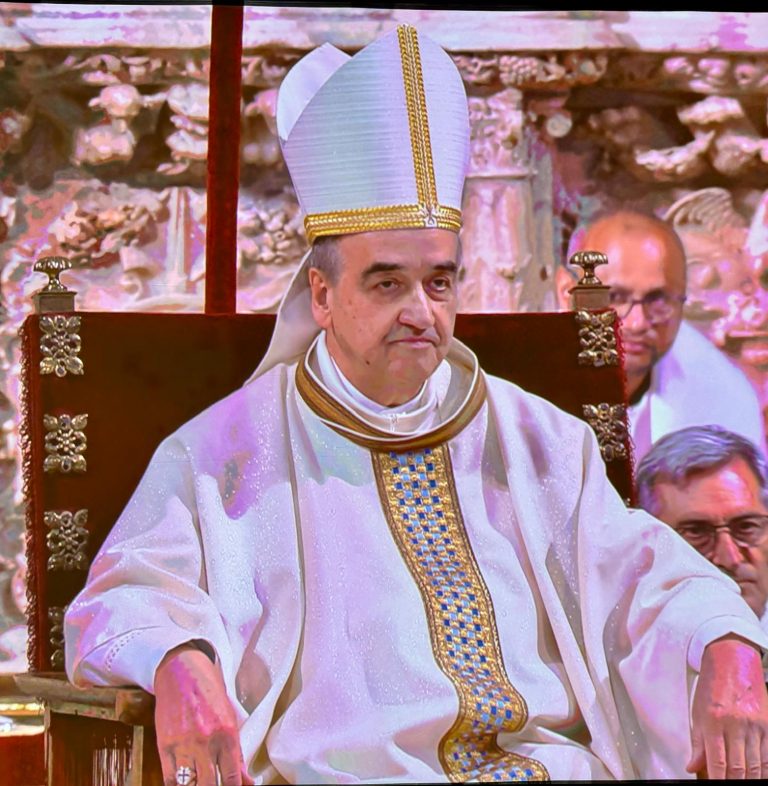
First, we analysed two interviews broadcast by Aragón TV in which the victim and Pedro Aguado—then Superior General of the Piarists and now Bishop of Jaca and Huesca—presented fundamentally incompatible accounts of key events.
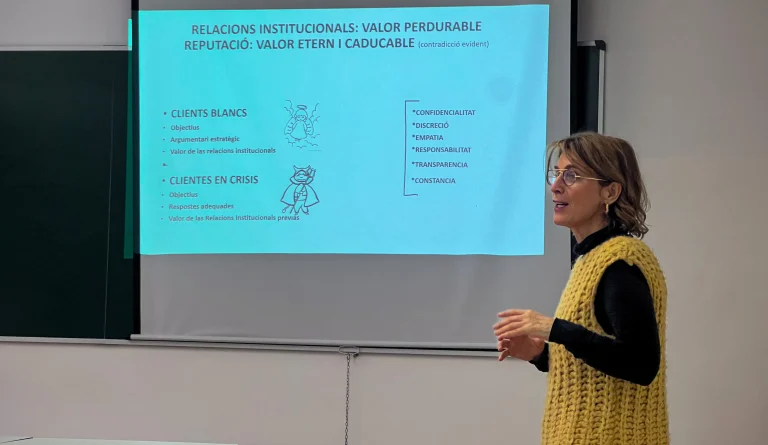
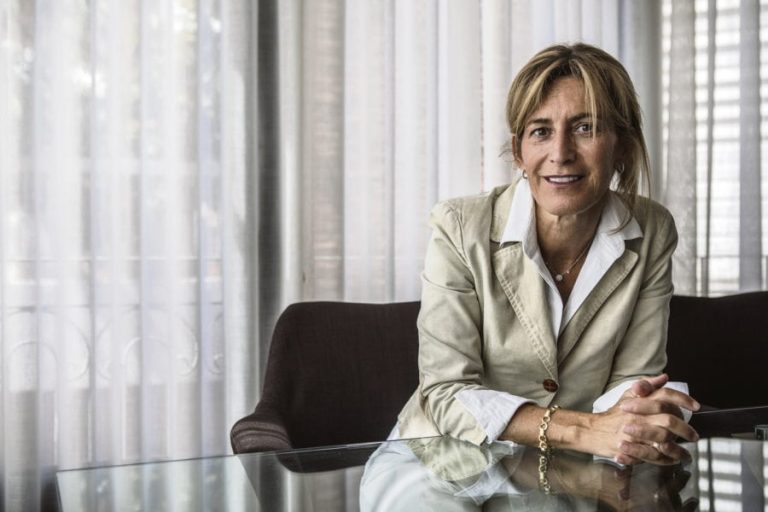
We then documented how Javier Alcántara formally exercised his right of reply after public statements made by the Piarists’ Director of Communications, Isabel Llauger. Months passed without any documented response. During the same period, however, the institution publicly defended its position on Aragón TV.
Finally, we examined an apparent contradiction within the Pontifical Commission for the Protection of Minors itself. The Commission first informed the family in writing that Pope Leo XIV had ordered an investigation into the case. Two months later, it stated that it had no competence to provide information about that same investigation.
The questions remain unanswered: Who received the case file? Which Dicastery is handling it? Who made the relevant decisions? Who decided not to respond to specific communications?
Two Documents
The Vatican News statement and the case file we have been reconstructing both address sexual abuse within the Catholic Church. Yet they speak entirely different languages. The Vatican statement speaks of:
- guidelines;
- universal frameworks;
- safeguarding culture;
- training;
- accompaniment;
- transparency;
- accountability;
- collaboration;
- evaluation;
- future safeguarding tools.
Our case file speaks of something else: Letters, a right of reply, responses, telephone calls, referrals, named individuals, Specific decisions, chronologies, documents. The two vocabularies have remarkably little in common.
The Subjects Change Too
The Vatican statement is dominated by collective subjects: the Commission; the Assembly; its members; the Church; working groups; programmes; institutional frameworks.
The case file, by contrast, is populated by named individuals: Javier Alcántara, Pedro Aguado, Isabel Llauger, Monsignor Luis Manuel Alí Herrera, José Miguel Flores Martínez.
This distinction is far from insignificant. Institutions draft protocols. People make decisions.
The Timeframe of Protocols and the Timeframe of Case Files
Five days of meetings produced another institutional statement calling for stronger safeguarding measures.
More than six years later, Javier Alcántara’s case file is still waiting for far simpler answers.
Not another protocol. Not another set of guidelines. Not another universal framework. Simply answers: Who? When? Why? Where is it documented?
What a Protocol Cannot Do
Safeguarding protocols are essential. They are almost certainly better today than they were a decade ago. But there remains a fundamental distinction. A protocol can explain how an institution ought to act tomorrow. It cannot explain who acted yesterday. A protocol can recommend transparency. It cannot replace it. It can require institutions to listen to victims. It cannot answer a specific letter. It can establish procedures. It cannot retrospectively reconstruct a decision. Only those who took part in the events themselves can do that.
The Contrast
Nothing in this analysis questions the importance of continually improving safeguarding standards. The Church needs better protocols. Better training. Stronger prevention. Greater transparency.
But it also needs to answer the case files that made those protocols necessary in the first place. A victim does not stop waiting for an explanation simply because an institution adopts a new set of guidelines.
Two Timelines That Should Move Together
Prevention is future-oriented. Accountability is concerned with the past. One protects future victims. The other delivers justice to those who have already suffered harm.
Only when both advance together can an institution truly claim not only to have learned from its failures, but also to have answered for them. Until then, the contrast remains difficult to ignore.
The language of safeguarding will continue to evolve. Many case files will continue to wait for answers.
The Vatican News statement runs to four pages. The Javier Alcántara case file now spans more than six years. Both concern the protection of minors. One explains how the Church should act. The other continues to ask how it actually did.
Readers are invited to comment, contribute additional information, and participate in a factual and respectful discussion.

© Jacques Pintor, 2019–2026. All rights reserved. No part of this publication may be reproduced or redistributed without prior written permission.

If you believe that any factual statement in this article is inaccurate, you are invited to contact the editorial team to exercise your right of reply or request a factual clarification or correction, in accordance with recognised journalistic standards.

Contact: jacquespintor@gmail.com

The editorial team is also available for interviews. Subject to appropriate safeguarding and confidentiality arrangements, this also applies to some of the individuals directly involved in the case.

Communications Coordinator: Jordi Picazo, MCIJ
WhatsApp: +34 636 899 025

#Safeguarding #ChildProtection #ChurchAbuse #Accountability #Transparency #VosEstisLuxMundi #CanonLaw #PedroAguado #Piarists #PiaristOrder #HolySee #TutelaMinorum #CoverUp #JusticeForVictims #InstitutionalAccountability #ClergySexualAbuse #ForensicAnalysis #CatholicChurch #HumanRights #VictimsFirst #IsabelLlauger