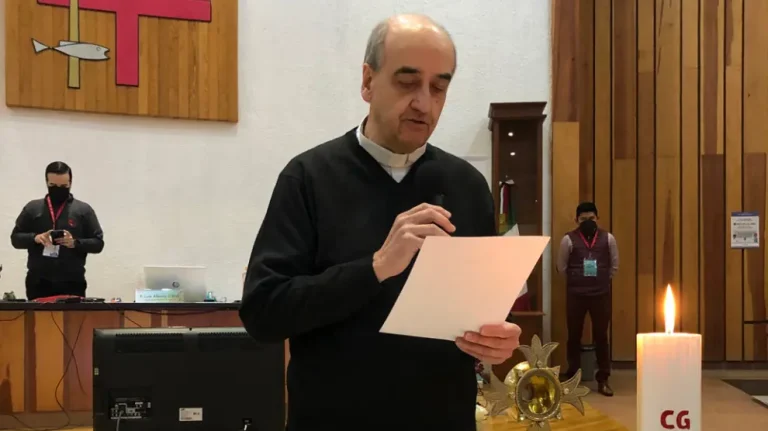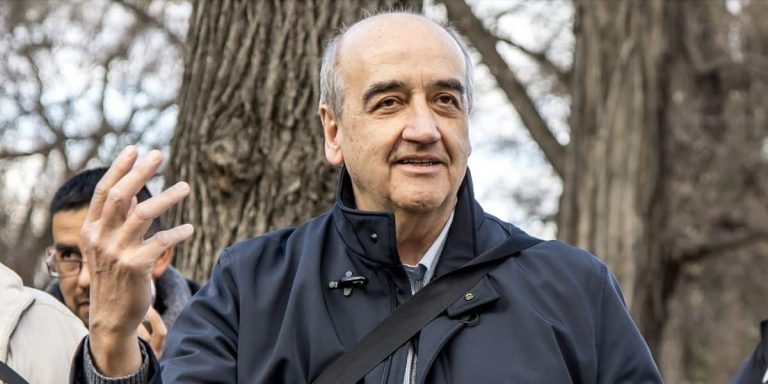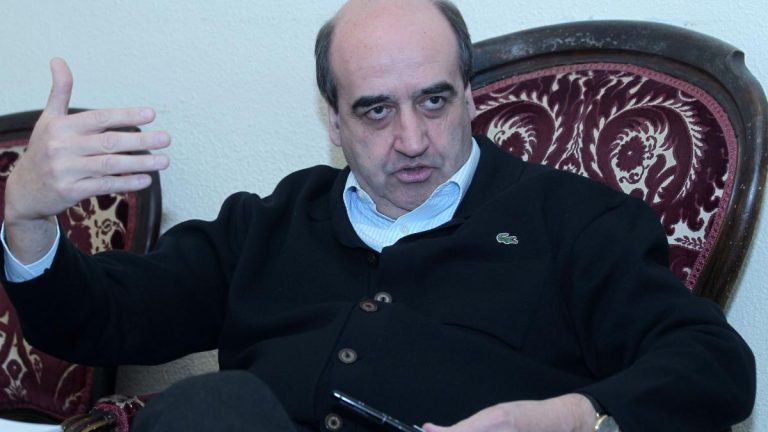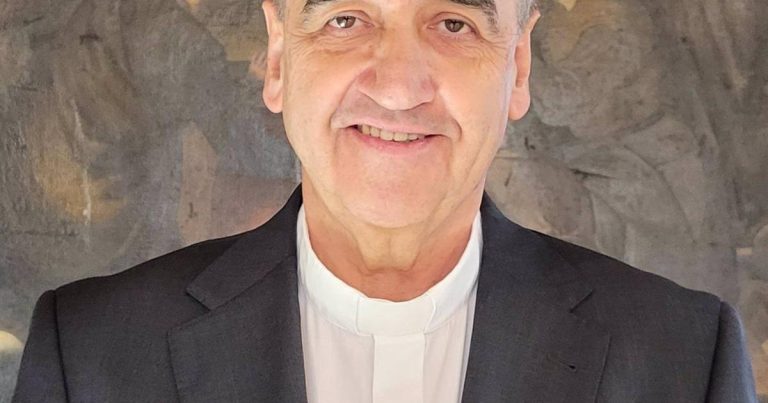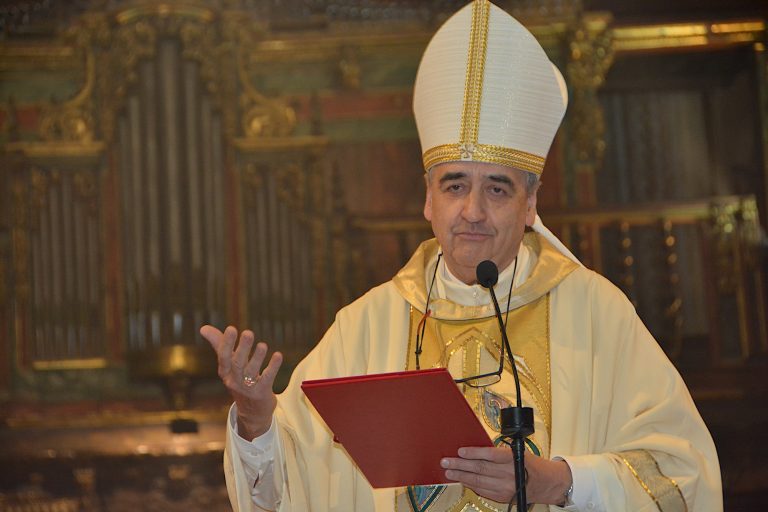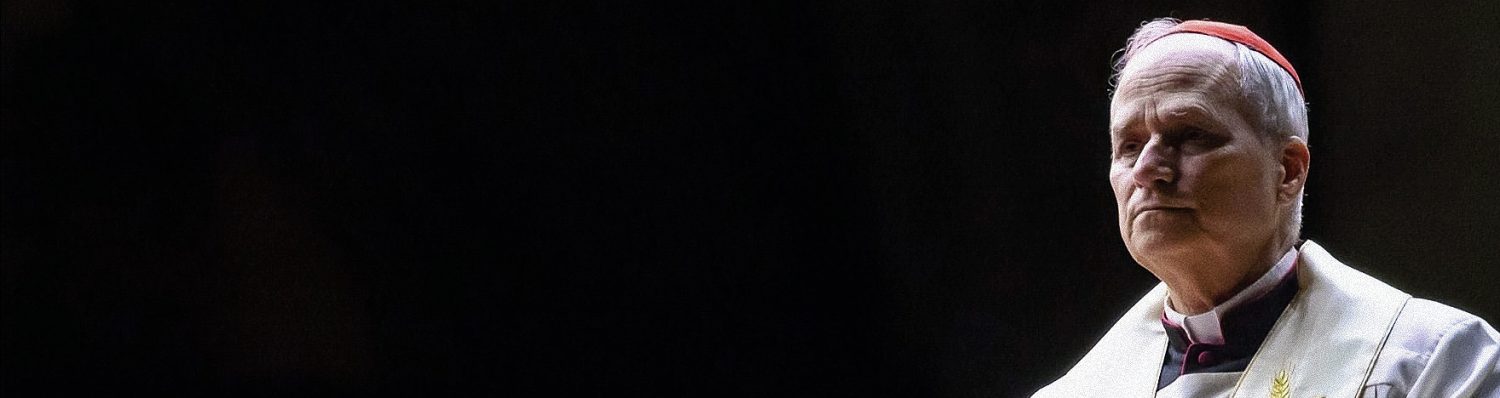

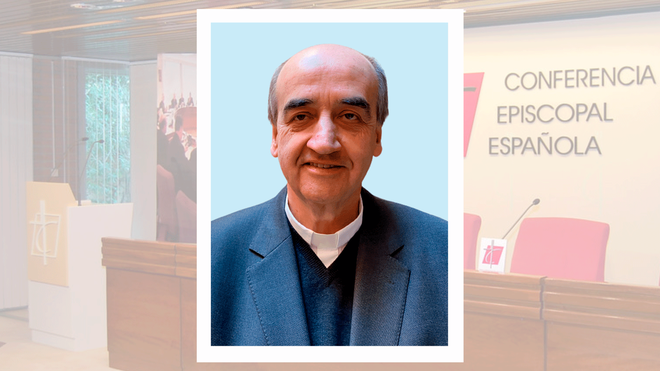
Disgraced formerly Superior General of the Piarist Order Monsignor Pedro Aguado Cuesta now consecrated Bishop and sent to Spain following accusations of institutional cover-up of clerical sexual abuse in Mexico
“The essence of journalism is dramatic. The authentic journalist hides what is his and reveals what belongs to others; he gathers scattered vibrations and transmits them; like the actor, he disappears beneath the reality he conveys to us.”
Rafael Barrett
The survivor of abuse by the priest Miguel Flores states that he received death threats after exposing the lies and omissions of the current Bishop of Huesca and Jaca and of the Order of the Piarist Schools.
We begin with an initial synthesis. Further information will follow shortly.
Good reading.
Jacques Pintor
When in Mexico the victim Javier Alcántara began to publicly recount the architecture of Piarist cover-up he suffered from the age of eleven, an unexpected move occurred in Spain: the appointment of Pedro Aguado Cuesta, alleged cover-up agent in the case, as Bishop of Huesca and Jaca, just three weeks before the death of Pope Francis.
The Vatican context admits no naïveté. At that time, Francis was dying, barely able to hold a pen, and in Rome it was informally acknowledged that several papal signatures were physically guided —moving his hand across the paper— or directly stamped without real consent, as occurred with the threat of excommunication against two Peruvian laypeople who were inconvenient for the system.
Such last-minute appointments always bear the mark of a guiding hand: Cardinal Juan José Omella, the true Spanish “kingmaker” in the pontifical court, who has managed all Aragón appointments —Escribano in Zaragoza, Satué in Teruel (now promoted to Málaga), Julián Ruiz Martorell from Huesca-Jaca to Sigüenza-Guadalajara in order to remove him from the trial in which he was called to account for his criminal management involving sexual perverts placed in charge of children in catechesis.
In this opaque scenario, Aguado left Rome—where he had been working—with a mitre in his luggage and a shadow at his heels: the testimony of a victim who places him at the center of a cover-up committed during his term as Superior General of the Piarists.
Pedro Aguado: Two Continents, One Pattern
The Silence Linking Mexico, Aragón i Spain, and Rome
The victim recounts, in two public interviews, that in 2019 Pedro Aguado —then Superior General of the Piarist Schools— traveled from Rome to Cancún to meet with him. According to Javier, Aguado embraced him, apologized “on behalf of all the Piarists,” assured him that he would report the aggressor to the Vatican and to civil justice if convicted, and that the priest Miguel Flores Martínez would be removed “forever” from contact with minors.
Not only that. According to the victim, Aguado stated that Miguel would be sent to a monastery in Spain, under a contemplative regime, isolated from the world.
That promise —already extraordinary in itself— fits into a broader pattern: every institutional version received by Javier was ultimately contradicted by the facts.
Javier reports that Aguado showed him a document in Latin that supposedly certified Miguel Flores’s expulsion and reduction to the lay state, along with isolation in cloister. But reality proved the opposite. In Mexico, Flores continued celebrating Mass for at least two more years, until 2022. In Tlaxcala, he was present in churches and in an educational center, and a Spanish Piarist residing in Mexico and a friend of Javier innocently remarked that “his mentor Flores” was active in a school —without knowing he was speaking to one of Flores’s victims.
This detail provided by Javier dismantles the institutional narrative, because it shows that Flores was not removed, neither in Mexico nor in Spain.
The victim identifies three ecclesiastical figures as responsible: Pedro Aguado Cuesta, Superior General at the time of the events; Fernando Hernández Avilés, provincial in Mexico, who also officiated Miguel Flores’s funeral, calling him a “great priest” despite knowing the complaint and having secularized him; and Marco Antonio Véis, who was aware of the case from the beginning.
None of them activated real protection mechanisms. None informed the victim in a verifiable way. None guaranteed the effective removal of the aggressor.
And one of them —Aguado— was rewarded with a Spanish diocese.
The Leap to Aragón: A Bishop Landing on a Political Hornet’s Nest
Aguado’s arrival in Huesca and Jaca coincides with another episode that has shaken the region: the case of priest Vicente Jesús López Brea Urbán, publicly accused of instrumentalizing the Church for personal ends and ascending into public administration without healthcare training, becoming Director of Health of the Calatayud county thanks to a double endorsement: that of Bishop Julián Ruiz Martorell and that of Aragonese president Jorge Azcón.
It is a plot in which Church and civil power intertwine to place aligned figures in strategic posts. Aguado, newly arrived from Rome, inherits that atmosphere. Meanwhile, in Mexico, a victim denounces that Aguado himself was part of the cover-up of an abuser.
Death Threats: When the Case Becomes a Major Public Issue
In his second televised interview, Javier states that he received death threats attributed to individuals from Aguado’s environment. He says it calmly and with stark clarity: “I am not afraid. They will not silence me.”
These threats—according to the victim—arrived when he insisted that the cover-up had not been an error, but a structure.
What Is Already Beyond Dispute
The Mexican interviews —broadcast publicly— leave three facts clear: Aguado promised sanctions that were never executed, Miguel Flores continued exercising priestly functions for years after his supposed laicization, and the victim was referred by the Mexican hierarchy… to those who allegedly covered up his aggressor.
That is, the perfect circle of clerical impunity.
The Question the Diocese of Huesca and Jaca Should Be Asking Today
The diocese has received a bishop whose name already appears in an investigative file in Mexico, cited as responsible for an alleged irregular handling of child sexual abuse. This is not a theological issue. It is a moral and public responsibility issue.
And the question is as simple as it is devastating: What exactly did Pedro Aguado know, and what did he decide to do with that information?
Until that is answered, silence is not prudence. It is complicity.
To make matters worse, he was appointed by a pope brought from Peru to Rome by Pope Francis shortly before his death to distance him from the complaints that point to him as a cover-up agent both in Chiclayo, Peru, and Chicago, USA.
We extend these questions to Robert Prevost, now Pope Leo XIV.
This article was first published on November 19, 2025.
By Yanelis Tovar.
All rights reserved, @jacquespintor 2026.
For contact, you may want to write to us at jacquespintor@gmail.com.
Find us on Twitter @jacquesplease.