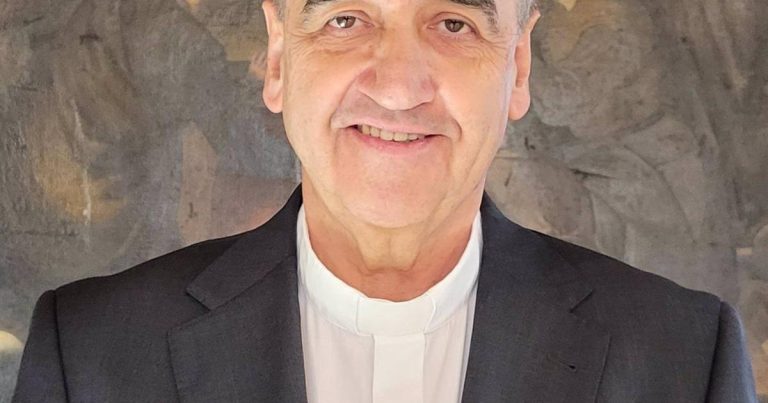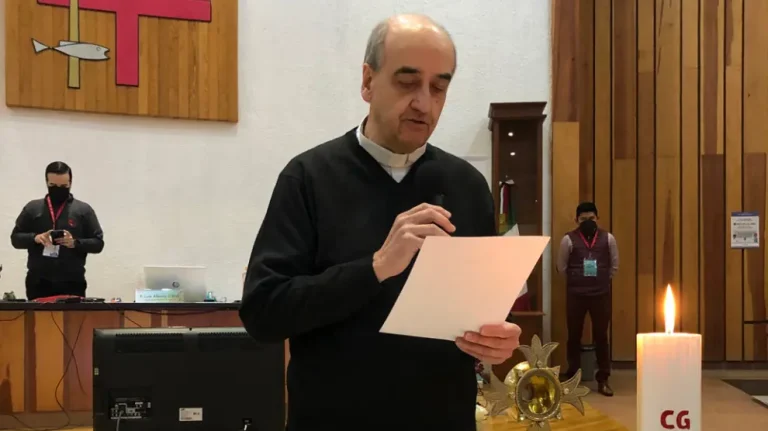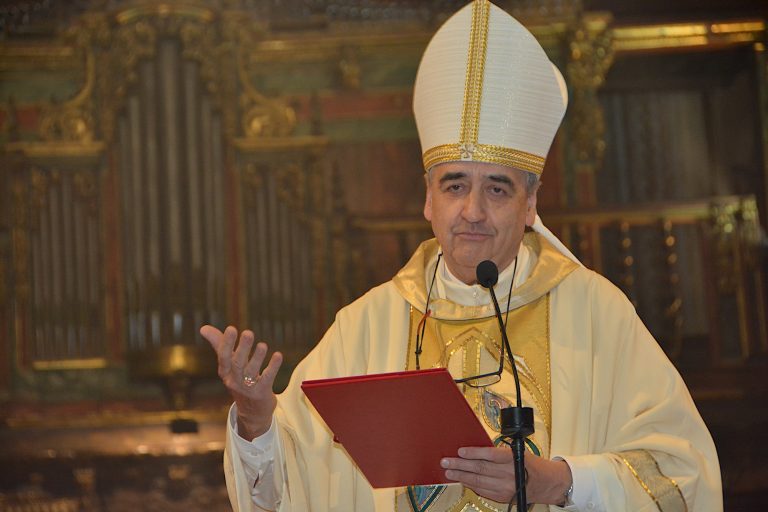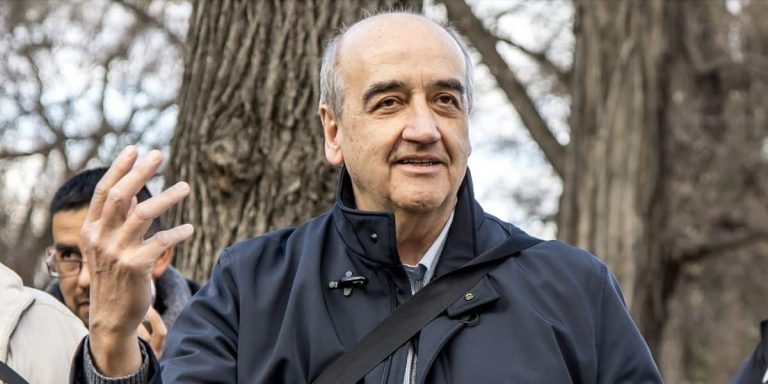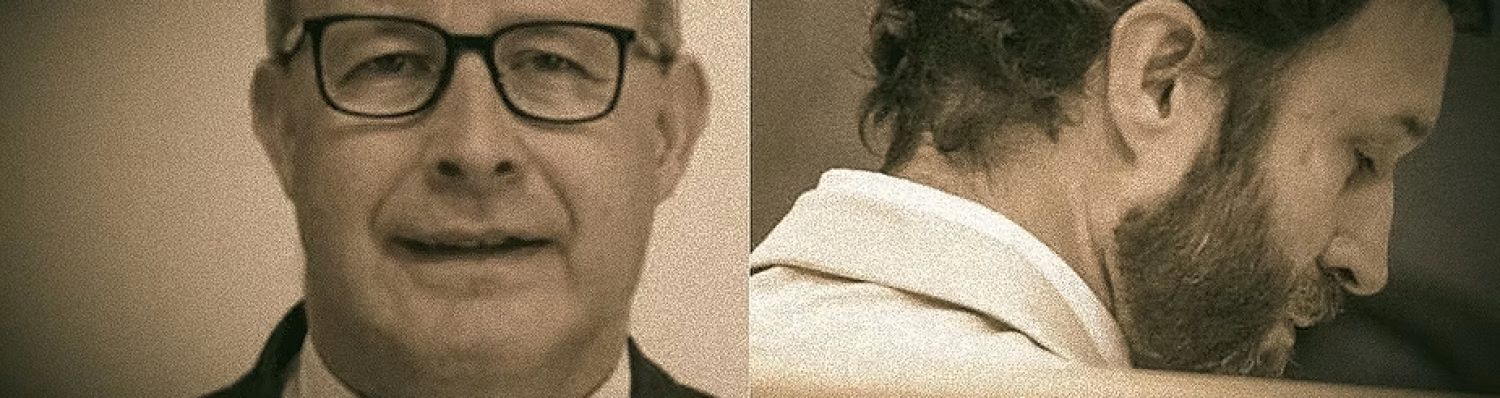

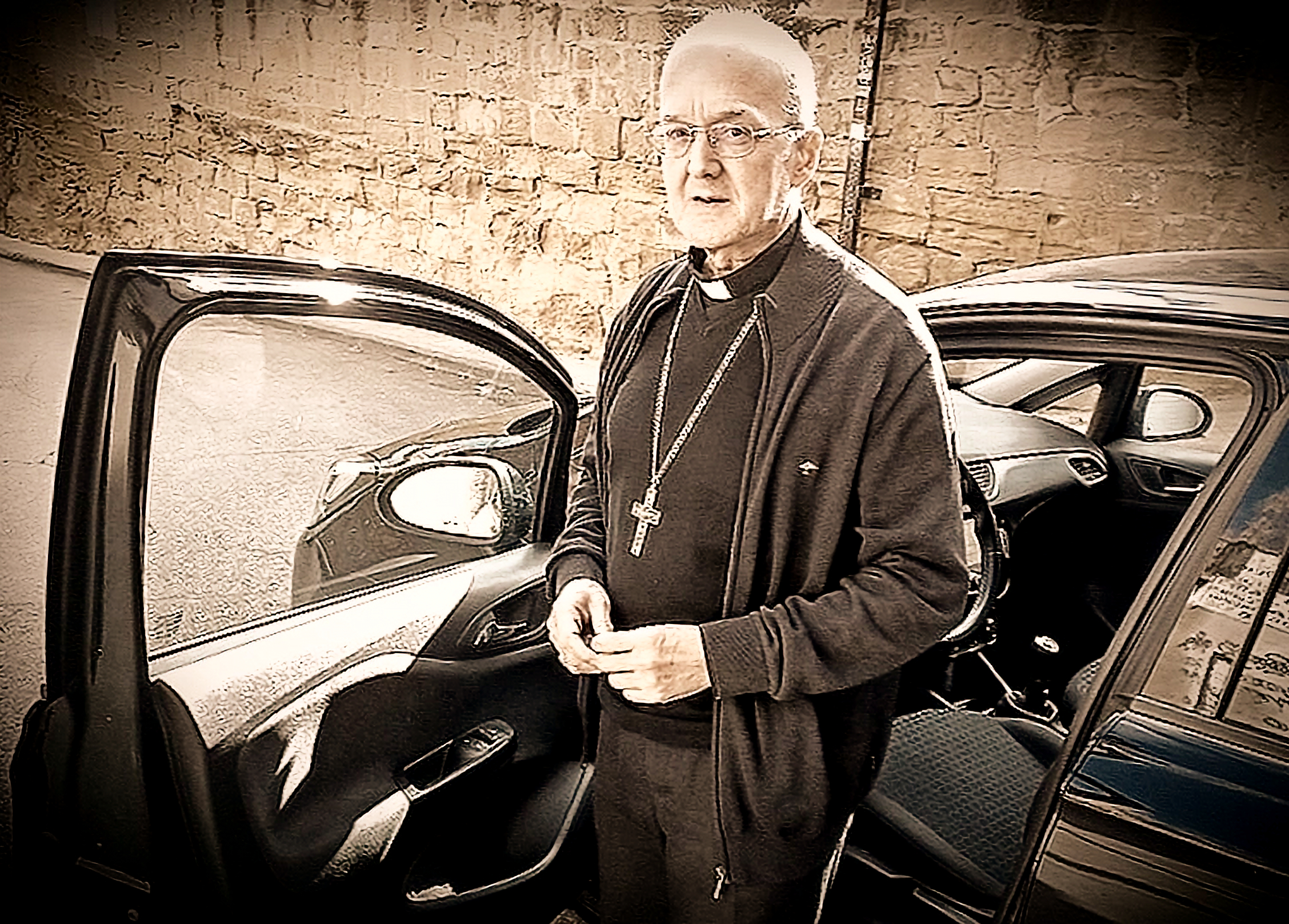
Julian Ruiz Martorell, former Bishop of Huesca-Jaca, who ordained Vicente Jesús López-Brea Urbán.
For a long time, silence was presented to us as prudence.
Silence was demanded through procedural means, through cautions and interim measures, through the slow erosion that comes when time itself is used as an instrument. Pages were taken down. A website was pressured, then closed (jacquespintor.com).
The site was ultimately closed following precautionary action promoted by ecclesiastical authorities, taken up in interim judicial orders that framed the matter in ideological terms concerning the private sexual conduct of clergy, and enforced through police and administrative pressure, and legal, under the guidelines of lawyers Cremades & Calvo-sotelo, the same that were paid 1,2 Eurs for an audit on thesexual abuse of minors by the clergy. No finding on the falsity of the published material preceded this outcome. The process unfolded over nearly two years.
That phase is now over.
What matters today is not to rehearse every step of what happened, nor to relitigate documents that already exist and are preserved elsewhere. What matters is to state, calmly and clearly, that an editorial cycle has come to an end—and that another begins.
The closure of jacquespintor.com did not occur at the height of legal pressure, but later, when that pressure had already thinned out through the passage of time. That fact alone tells its own story. This was not about an urgent judicial necessity; it was about exhaustion, about containment, about ensuring that a certain body of work would no longer have a public home.
It is precisely for that reason that this new space exists.
What follows here will not be reactive. It will not be written in instalments dictated by court calendars, procedural ambushes, or imposed silences. Nor will it reproduce, point by point, what attentive readers have already seen in newsletters, notes, or documents circulated over the last years.
Instead, over the coming weeks, we will publish a small number of texts that do something different: they will order what was deliberately scattered, separate what was essential from what was circumstantial, and name what this experience has revealed about journalism, power, and institutional pressure.
Some of those texts will speak about what happened to one member of the team. Others will step back and address the wider implications for investigative work, editorial responsibility, and the quiet mechanisms by which speech is narrowed without ever being formally banned.
None of them will ask for sympathy. None will ask for mobilisation. They will ask only for attention.
This first text does not close an argument. It opens a structure.
What comes next will not be announced in advance. It will appear, when it appears, as work does when it is no longer written under duress.
From the ashes, one does not shout.
One rebuilds.