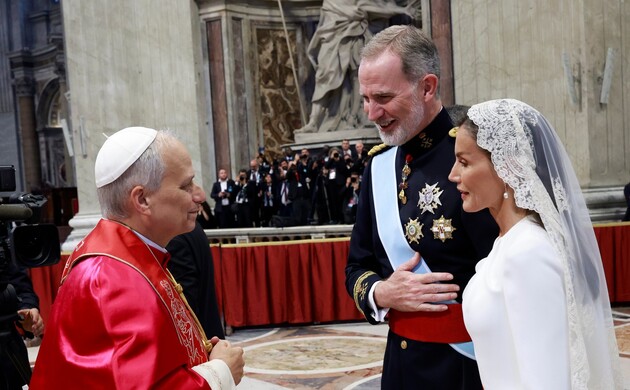
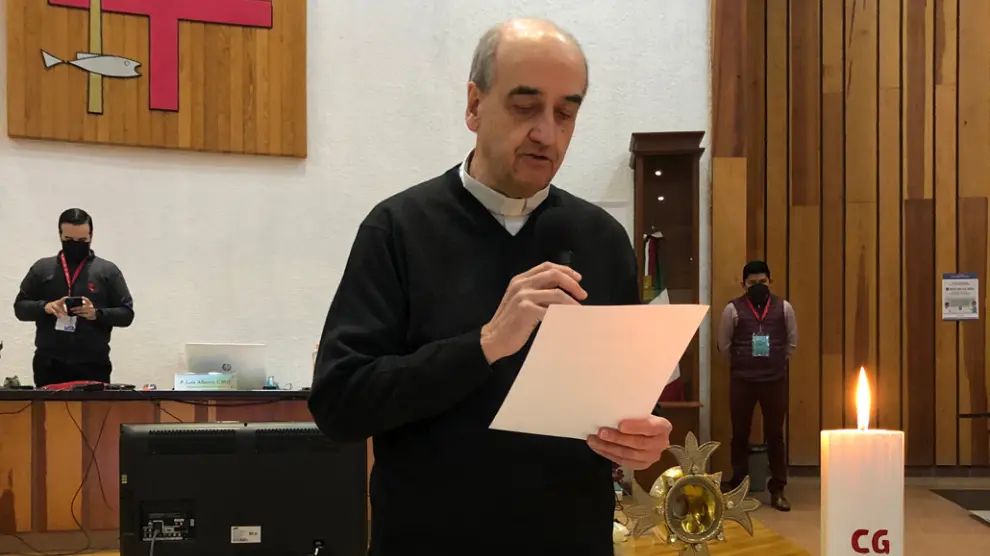
Bishop Pedro Aguado of Spain
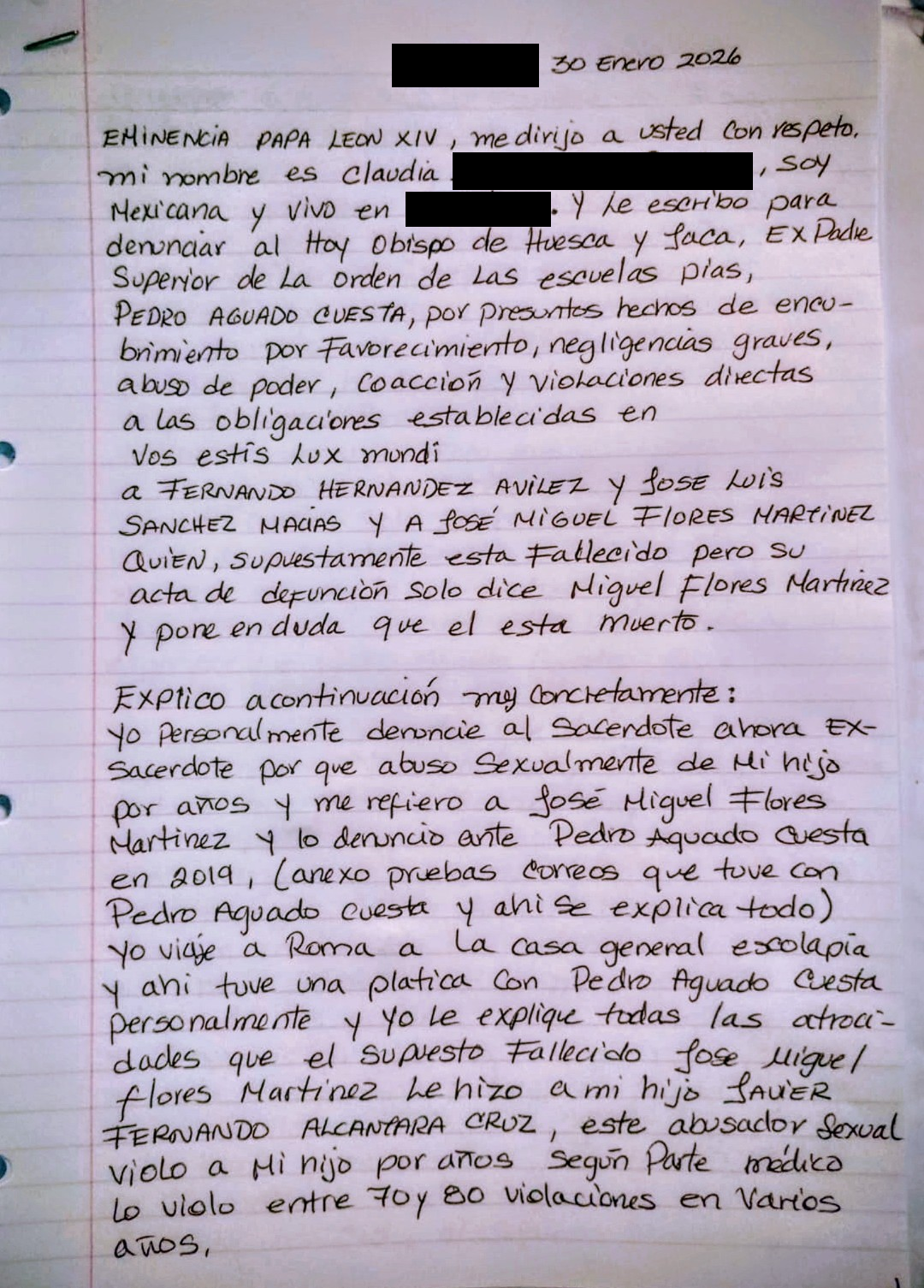
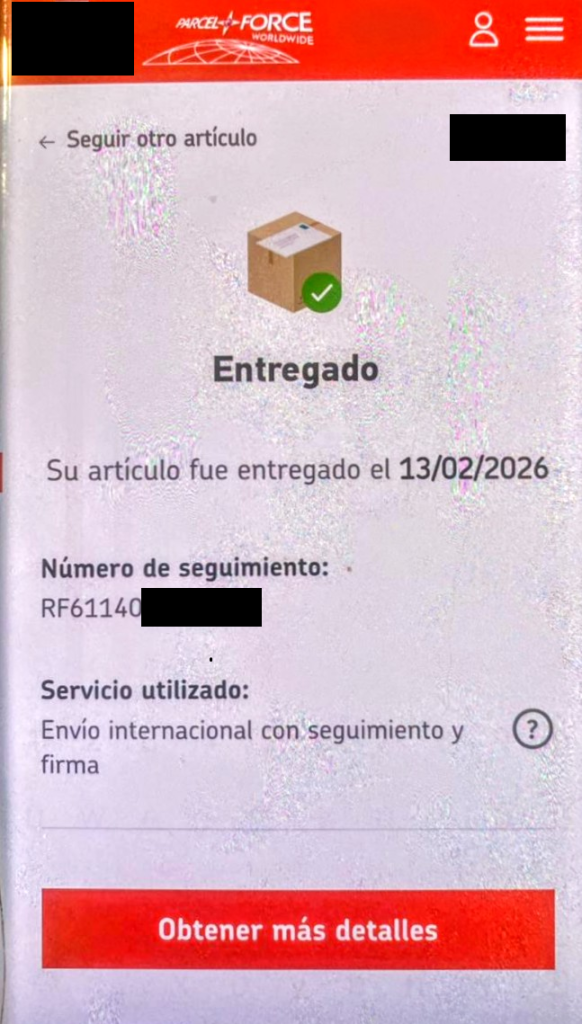
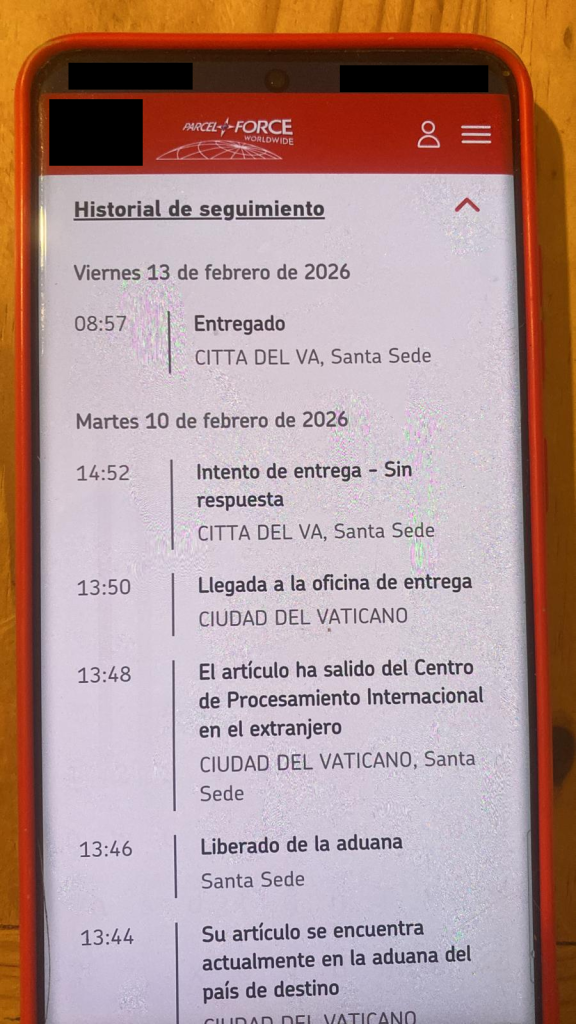
On January 30, 2026, from England, Claudia I R wrote directly to Pope Leo XIV. She lives now outside her country of origin, Mexico. She is a mother. What she sent was not a spiritual appeal, but a formal complaint.
Her letter concerns Bishop Pedro Aguado of Spain, Bishop of Huesca-Jaca and former Superior General of the Piarist Order (Order of the Pious Schools). It was sent with acknowledgment of receipt and included documentation, dates, and named individuals.
This analysis does not weigh emotional intensity — which is evident — nor adjudicate the underlying facts — which the author states she documents. We examine the structure of the complaint: its internal logic, its legal grounding, and its institutional implications.
A letter can be an outcry. Or it can become a record.
This one is structured as the latter.
Legitimacy from the First Line
From the opening sentence, the mother establishes standing. She identifies herself fully, specifies time and place, and defines her role as the mother of the alleged victim. There is no anonymity. No abstraction. She clearly states her purpose: to denounce what she presents as failures by ecclesiastical authority.
The Central Allegation: Institutional Omission
The complaint does not focus solely on abuse allegations, grave as they are. It advances accusations of:
- Cover-up
- Facilitation
- Serious negligence
- Abuse of authority
- Coercion
- Failure to comply with Vos Estis Lux Mundi
The reference to the 2019 papal norm is decisive. The argument shifts from personal grievance to institutional accountability.
The sequence presented is coherent: repeated abuse over years; a 2019 report to the then Superior General in Rome; an in-person meeting at the Piarist General House; documented email exchanges; a 2020 canonical sentence removing the accused from the clerical state; the reported death in 2022; a public funeral Mass broadcast online; and the subsequent episcopal appointment of the superior who had been informed.
If credible knowledge existed in 2019, the question is whether the obligations triggered under Vos Estis Lux Mundi were fulfilled.
The Legal Framework
Vos Estis Lux Mundi imposes concrete duties on major superiors: receive complaints, safeguard victims, activate procedures, and cooperate with civil authorities as required by law.
The letter asserts that the then Superior General knew of the allegations, did not follow the mandated protocol, and acted independently of the established framework. This frames the issue as possible institutional omission in the face of defined legal obligations.
The Evidence Referenced
The author encloses emails, documentation of the in-person meeting, reference to a 2020 canonical sentence, refers to the video of the funeral Mass, and a death certificate whose partial naming raises questions. The complaint’s strength lies in documentary precision: dates, issuing authority, and consistency between canonical sanction and later public representation.
Death, Narrative, and Memory
The complaint highlights a discrepancy between the canonical removal from ministry and the public portrayal of the deceased as a Piarist priest at a funeral Mass. It also notes differences in naming on the death certificate and the closed casket, contrary to what was consolidated costume in the region. Here, the mother raises concerns about the gap between formal sanction and institutional narrative.
Statements such as “He killed us while we were still alive,” “He mocked me,” and “This is not right” appear in the text. They underscore the human dimension beneath the institutional questions.
Beyond the discrepancy between canonical sanction and public narrative, the complaint specifically addresses the content and tone of the funeral Mass itself. According to the mother’s account, during the celebration the deceased was described in exalted terms — as a “great priest,” an exemplary human being, and a faithful Piarist father — despite the fact that, at the time of his death, he had already been formally removed from the clerical state by a canonical sentence issued two years earlier. The complaint argues that presenting him publicly as a priest in good standing, without reference to his prior dismissal, constituted a distortion of ecclesiastical reality. The letter further identifies Fernando Hernández-Avilez, principal of the Piarist Order in Mexico, and José Luis Sánchez-Macías, both of whom presided over the funeral celebration, as participants in that public portrayal. This element of the complaint therefore does not concern liturgical form alone, but the institutional messaging conveyed through the ceremony and the implications of honoring an individual canonically dispossessed of priestly status.
A Demand for Reparation
The complaint requests full reparation, medical and psychological treatment coverage, formal disclosure of the canonical sentence, and exemplary sanctions. The claims move beyond moral recognition toward tangible institutional response.
This case does not hinge on personality or pastoral style. It turns on one question: if sufficient knowledge existed in 2019 to activate obligations under Vos Estis Lux Mundi, were those obligations fulfilled? Everything else follows from that inquiry.
From Letter to Institutional Test
This is not merely a private grievance. It is a structured complaint alleging sexual abuse and institutional cover-up, directed to the highest ecclesiastical authority. It provides material for examining how papal norms operate in practice, how accountability functions within hierarchical systems, and whether formal safeguards translate into effective action.
In that sense, it becomes more than a letter. It becomes an institutional test.
The Letter
January 30, 2026.
Your Holiness Pope Leo XIV,
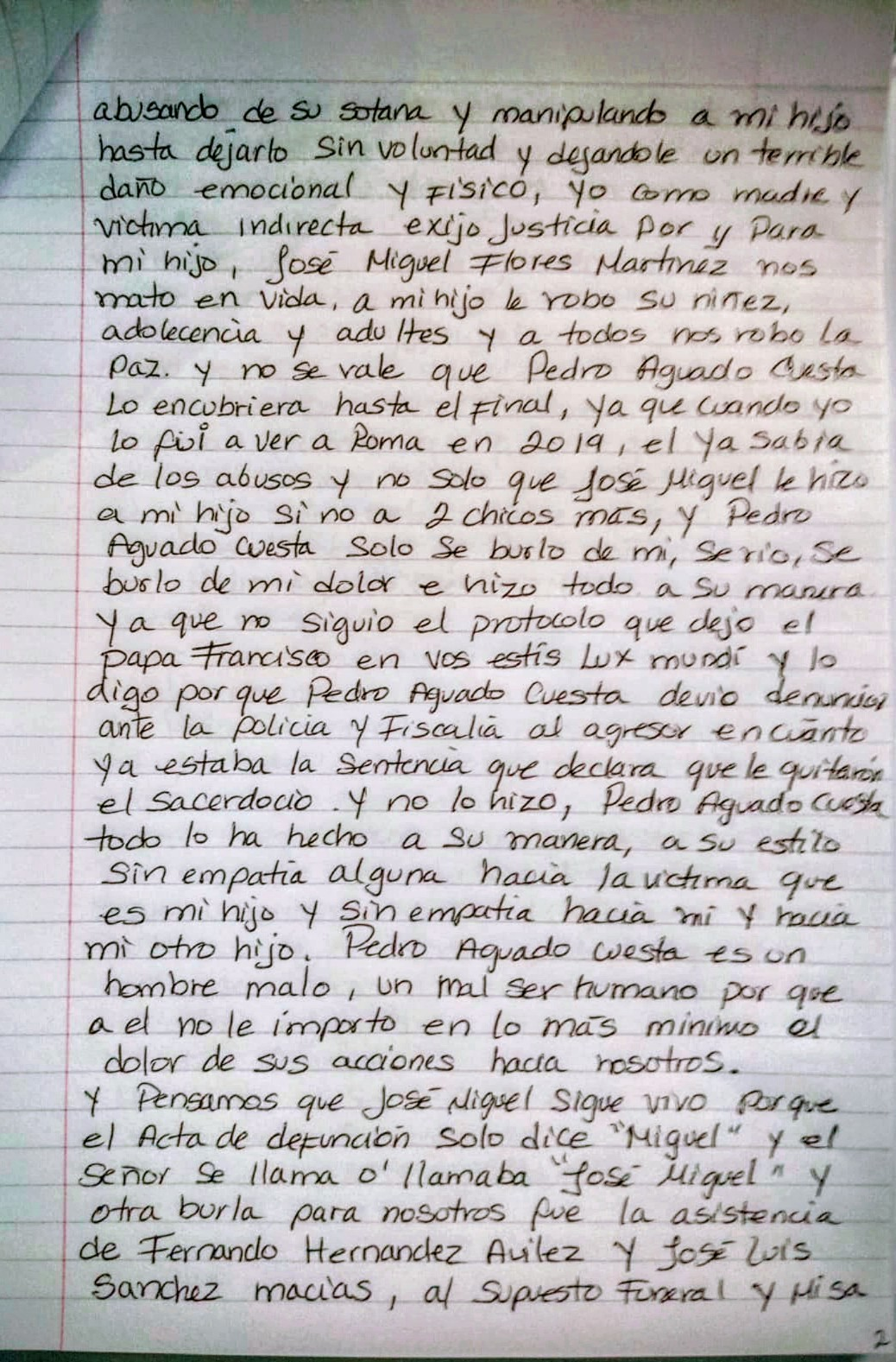
I respectfully address you. My name is Claudia X. I am Mexican and currently live in X, and I am writing to denounce the current Bishop of Huesca-Jaca, former Superior General of the Order of the Pious Schools, Pedro Aguado-Cuesta, for alleged acts of cover-up, facilitation, serious negligence, abuse of authority, coercion, and direct violations of the obligations established in Vos Estis Lux Mundi; as well as Fernando Hernández-Avilez and José Luis Sánchez-Macías and José Miguel Flores-Martínez, who is allegedly deceased, although his death certificate only states X and raises doubts as to whether he is truly deceased.
I will explain more specifically. I personally reported the priest, now a former priest, because he sexually abused my son for years. I am referring to José Miguel Flores-Martínez, and I reported him to Pedro Aguado Cuesta in 2019. I attach evidence, including emails I exchanged with Pedro Aguado-Cuesta, where everything is explained. I traveled to Rome to the Piarist General House and personally met with Pedro Aguado Cuesta, where I described all the atrocities that the allegedly deceased José Miguel Flores-Martínez committed against my son, Javier Fernando Alcántara-Cruz.
This sexual abuser raped my son for years. According to medical reports, he raped him between 70 and 80 times over several years, abusing his clerical position and manipulating my son until he left him without willpower and caused severe emotional and physical harm. As a mother and indirect victim, I demand justice for my son. José Miguel Flores-Martínez destroyed our lives. He stole my son’s childhood, adolescence, and adulthood, and he stole our peace.
It is unacceptable that Pedro Aguado-Cuesta covered him up until the very end, because when I met him in Rome in 2019, he already knew about the abuse — not only what X did to my son, but to two other boys as well. Pedro Aguado-Cuesta mocked me, laughed at me, dismissed my pain, and handled everything in his own way, failing to follow the protocol established by Pope Francis in Vos Estis Lux Mundi. I say this because Pedro Aguado-Cuesta should have reported the aggressor to the police and prosecutor’s office once the sentence removing him from the priesthood had been issued, and he did not.
Pedro Aguado-Cuesta has handled everything in his own way, without any empathy for my son, who is the victim, nor for me or my other son. Pedro Aguado-Cuesta is a bad man, a bad human being, because he does not care in the slightest about the suffering his actions have caused us.
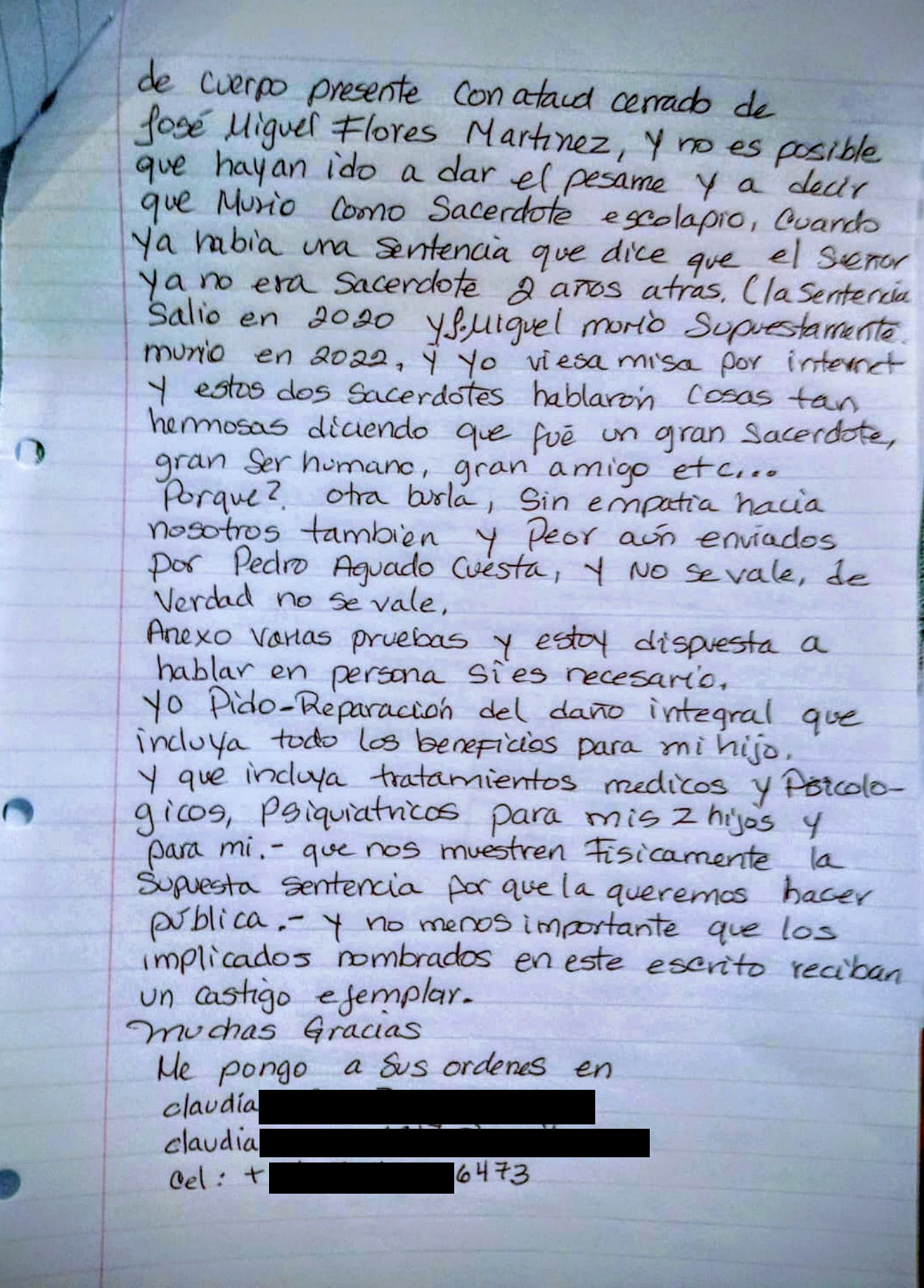
We believe José Miguel Flores-Martínez may still be alive because the death certificate only states Miguel Flores-Martínez, while his name and middle name are or were José Miguel. Another mockery for us was the attendance of Fernando Hernández-Avilez and José Luis Sánchez-Macías at the alleged funeral and Mass, with a closed casket, for a Miguel Flores-Martínez. It is unacceptable that they offered condolences and said he died as a Piarist priest when there was already a sentence stating he was no longer a priest two years earlier. The sentence was issued in 2020, and X supposedly died in 2022. I watched that Mass online, and those two priests spoke beautifully of him, calling him a great priest, a great human being, a great friend, etc. Why? Another mockery, another lack of empathy toward us — and even worse, sent by Pedro. It is not right. It is truly not right.
I attach several pieces of evidence and am willing to speak in person if necessary. I request full reparation of damages, including all benefits for my son, as well as medical, psychological, and psychiatric treatment for both of my sons and for myself. We ask to be shown physically the alleged sentence that we wish to make public, and no less important, that those implicated in this letter receive exemplary punishment.
Thank you very much. I remain at your disposal.

Readers are invited to comment, provide information, and participate in a factual and respectful debate.

If you believe that any factual statement contained in this article is inaccurate, you may contact the editorial office to exercise your right of reply or to request clarification or factual correction, in accordance with journalistic standards.

The editorial team is also available to grant interviews; this applies—under appropriate safeguards—to some of the affected individuals as well.

© Jacques Pintor, 2026. All rights reserved. Any reproduction or redistribution without prior authorization is prohibited. Contact: jacquespintor@gmail.com

Readers may also wish to consult the Spanish-language version for further details and access to links to additional related publications.

#PedroAguado #JavierAlcántara #SexualAbuse #InstitutionalResponsibility #EcclesialTransparency
#InvestigativeJournalism #Aragon #CELAM #Mexico